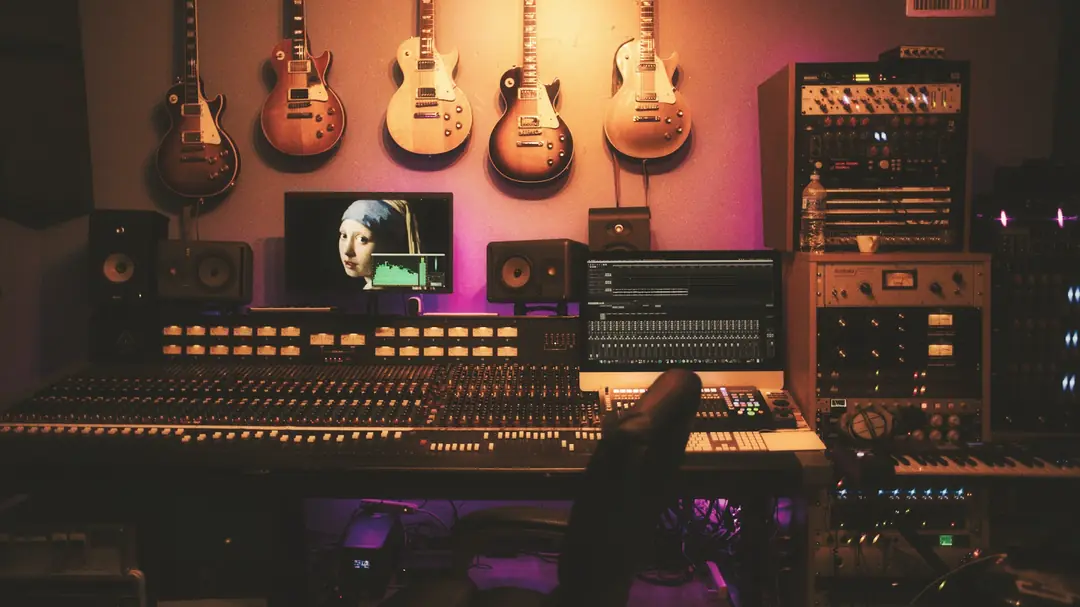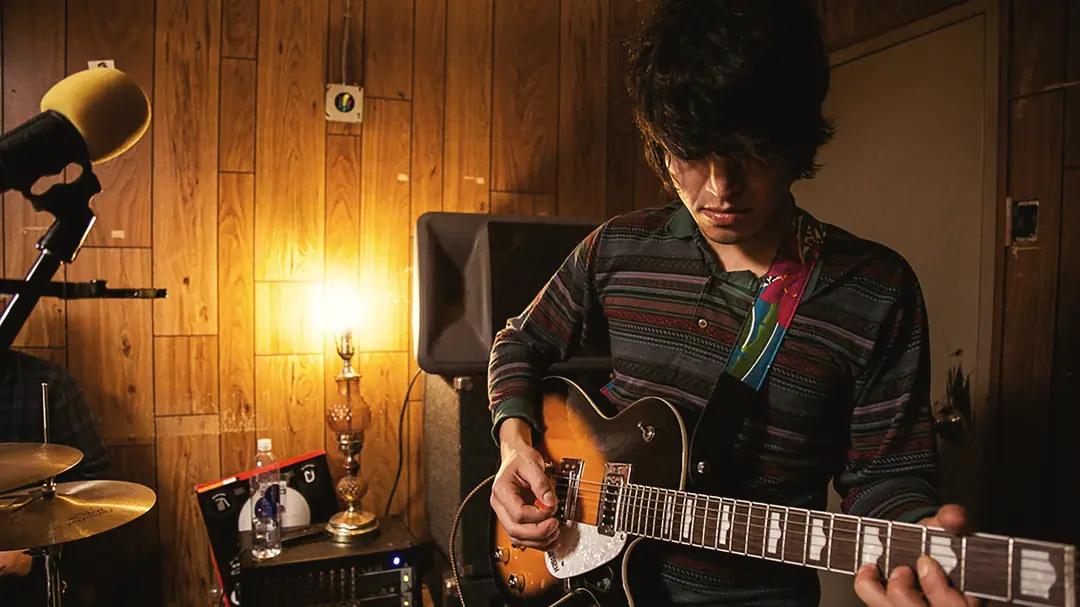
A good home studio setup is smaller and cheaper than most gear videos make it look. You don't need a wall of outboard gear to record a solid demo. You need a handful of pieces that work well together, bought in the right order.
Here's the home studio equipment that matters, starting with what you probably already own.
Essential home studio equipment
1. A computer
Mac or PC, either works. What matters is enough RAM to run your sessions and enough storage to hold them. A recent laptop handles most home recording without trouble. One tip from experience: you always need more storage than you think, so plan on an external drive for projects and sample libraries.
2. A DAW
Your DAW (digital audio workstation) is where you record, edit and mix. The big three for beginners are Ableton Live, FL Studio and Logic Pro. All of them have free trials, so try two before you commit. Logic only runs on Apple devices, and GarageBand is a free way to learn the same workflow first.
3. An audio interface
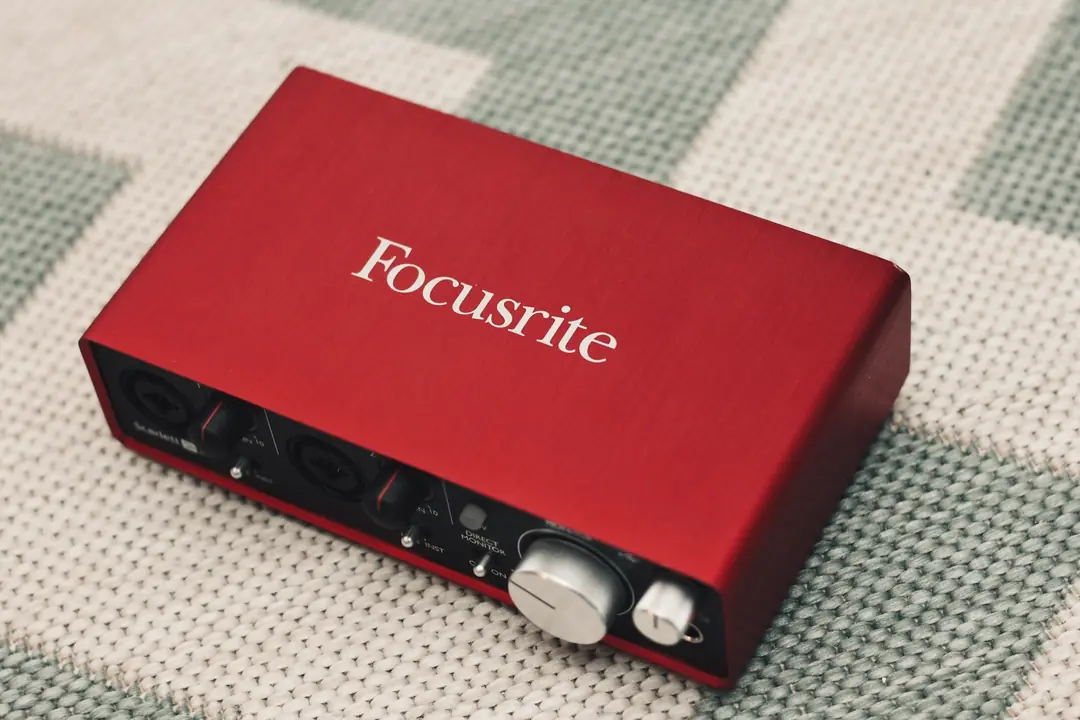
The interface is the box that gets your mic and guitar into the computer. Two inputs are enough to start: one for a vocal mic, one for an instrument. The Focusrite Scarlett 2i2 and PreSonus AudioBox are reliable picks that a lot of people start on.
4. A microphone
If you only buy one mic, buy one that handles vocals and acoustic guitar well. The Audio-Technica AT2020 is a great budget condenser. The Shure SM7B is the classic all-rounder if you can stretch, but it needs a lot of gain, so check your interface can drive it.
Hearing what you recorded
5. Studio monitors
Hearing your recordings accurately matters as much as capturing them. Regular speakers flatter your mix. Monitors tell you the truth. The KRK Rokit 5 is a solid budget pair, and the Yamaha HS5 is famous for being honest, sometimes painfully so.
6. Headphones
You need closed-back headphones for tracking, so the click doesn't bleed into your mic. The Beyerdynamic DT 770 Pro is a studio staple. If you end up mixing on headphones, open-backs like the Sennheiser HD 650 give a more natural picture.
Nice to have, once you're recording
7. A MIDI controller
A small keyboard controller lets you play virtual instruments and program drums. The Akai MPK Mini is cheap, tiny and does a lot for its size.
8. Acoustic treatment
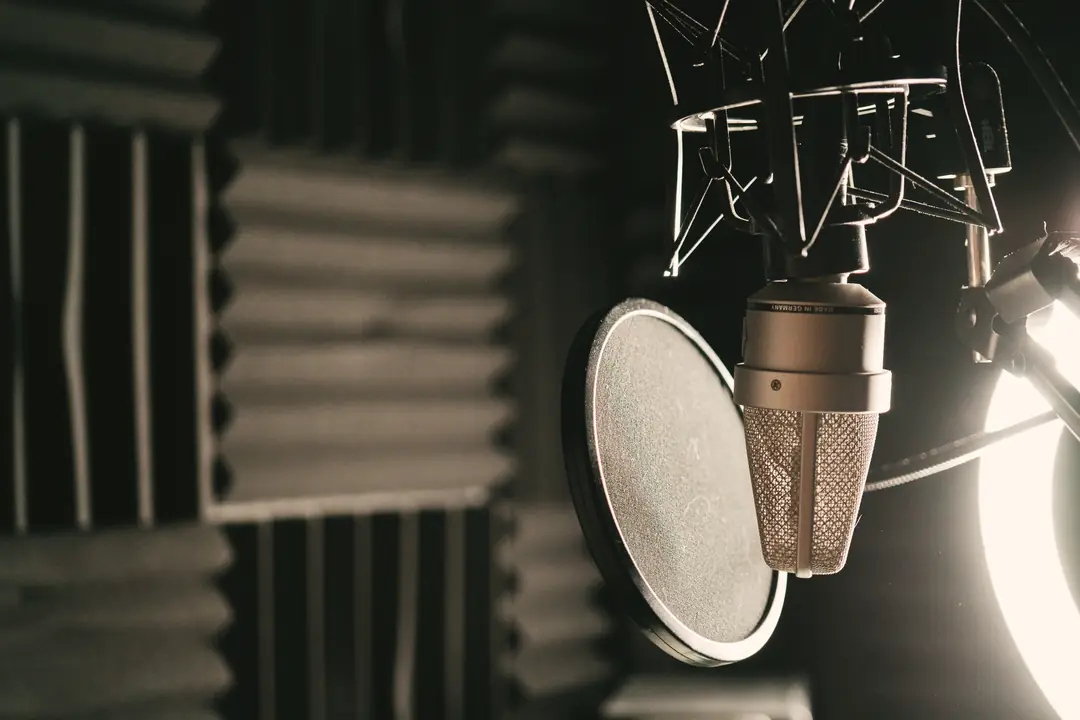
Panels and bass traps tame reflections and boomy low end, so your room stops lying to you. Auralex and Primacoustic are good places to look. Treat the room after you know where the problems are, not before.
9. A pop filter
The least exciting item here, but it takes the harsh plosives out of vocals. A cheap one like the Nady MPF-6 works fine.
10. Cables and stands
Decent XLR cables and a mic stand that doesn't droop mid-take. Mogami cables and On-Stage stands are well-loved choices.
What to buy first on a tight budget
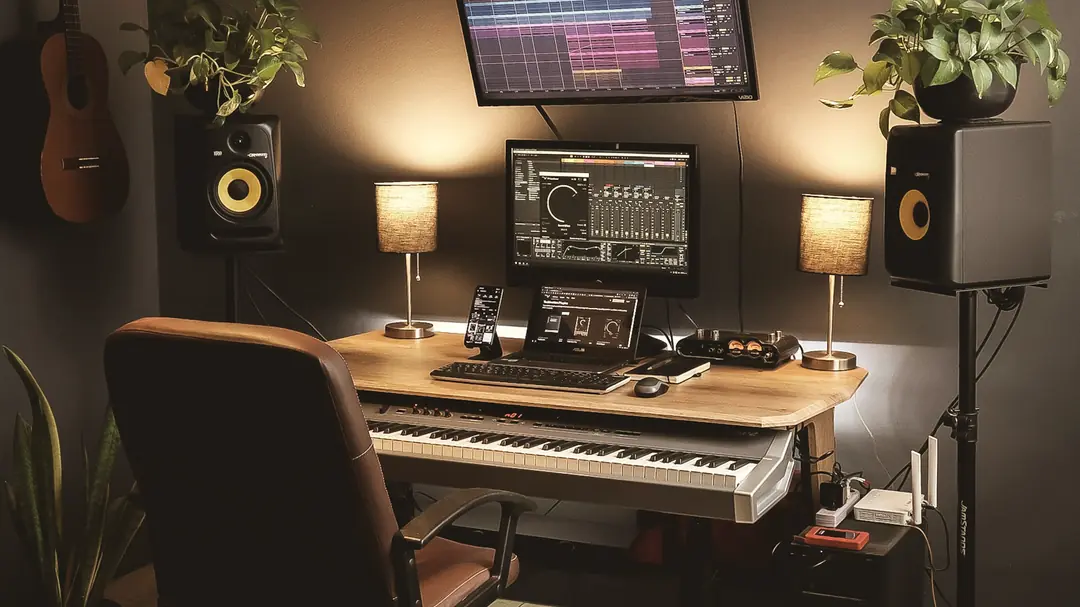
Start with the computer you have, a free or cheap DAW, a two-input interface, one good mic and closed-back headphones. That's a complete home studio setup for recording real songs. Add monitors, a controller and room treatment as you go.
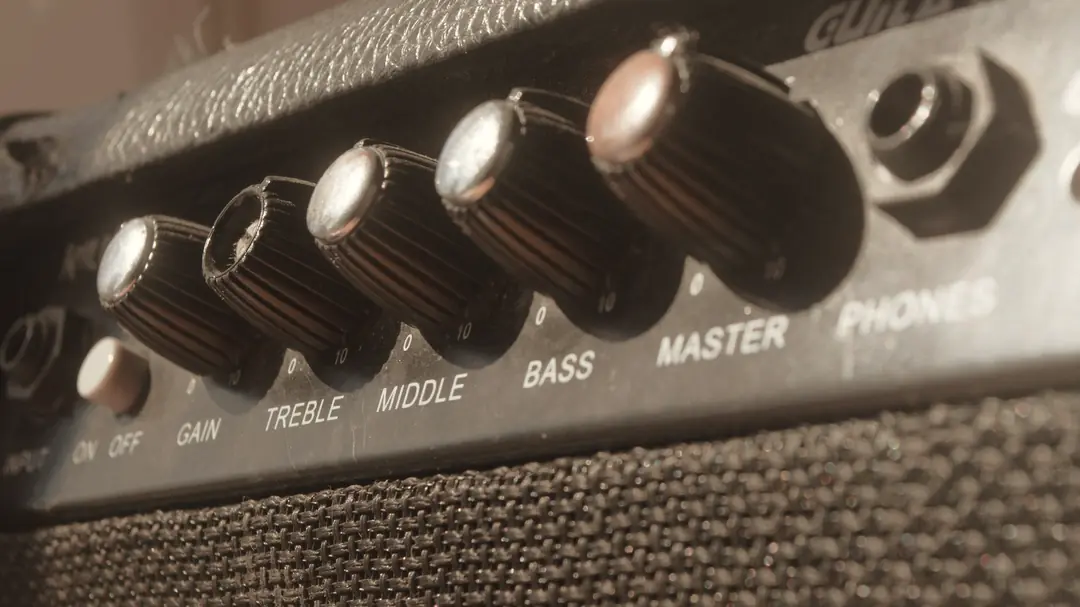
If you play guitar, an amp that records well is the next upgrade. Our list of the best guitar amps under $500 covers a few that sound great at bedroom volume. Once the basics are in place, these music production tools can speed up the rest of your workflow. Your first good recordings are also the heart of an electronic press kit, the thing that gets you booked.
FAQ
What's the minimum home studio setup for a beginner?
A computer, a DAW, a two-input audio interface, one microphone and a pair of closed-back headphones. That's enough to record vocals and instruments properly.
How much does a beginner home studio cost?
You can put together a working setup for a few hundred dollars if you already own a computer: an interface, a mic, headphones and cables. Monitors and treatment roughly double that.
Do I need studio monitors to start?
No. Good closed-back headphones are enough to start recording. Add monitors when you start mixing seriously.
What's the best DAW for beginners?
The one you'll actually learn. GarageBand (Mac) and the free trials of Ableton Live and FL Studio are all good places to start. Recording a few songs teaches you more than any comparison chart.
Can I record a full band in a home recording studio?
You can, but you'll need an interface with more inputs and a room that can handle the volume. Many bands track drums somewhere else and do everything else at home. And if you're still looking for a songwriting partner, a home studio is a great place to start writing together.